
Independent · Evidence-based
AI in dentistry, decoded.
New studies keep claiming an algorithm can spot caries, plan an implant or read an X-ray as well as a specialist. Decadentry reads the paper, checks the numbers and explains what actually held up — for clinicians, students and curious patients.
- One peer-reviewed study per article
- Numbers checked against the paper
- DOI and author credit on every post

Latest research
Fresh from the journals, explained.
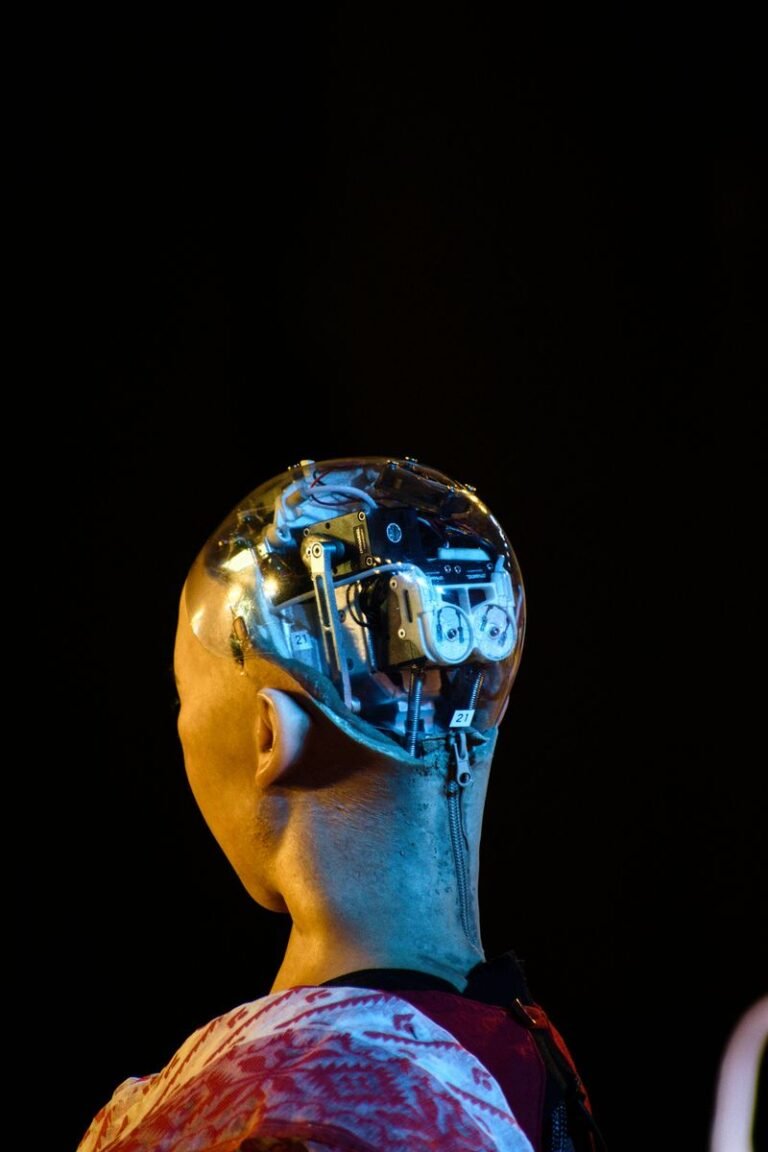
AI 3D Face Scan: Can a Selfie Replace the Scanner?
AI 3D face scan from one photo matched a $30,000 scanner for precision in a 47-patient study — but a systematic downward chin bias urges caution.
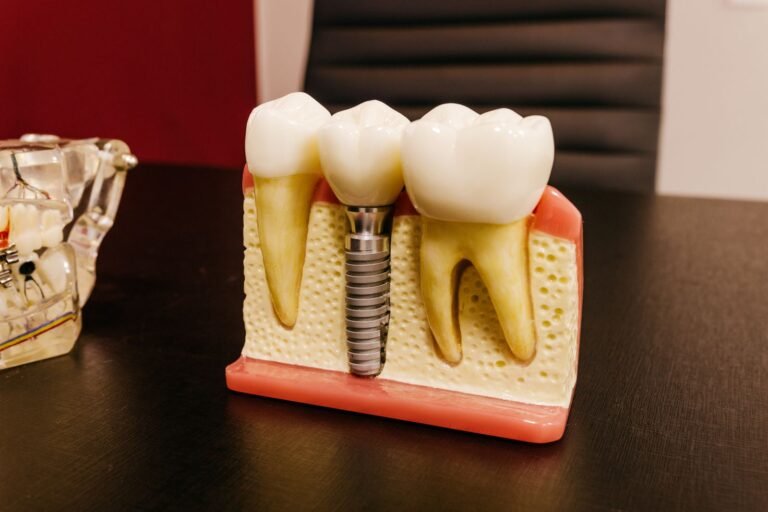
Peri-Implantitis Prediction: Can AI Call It Early?
Peri-implantitis prediction from a baseline dental X-ray reached AUC 0.83 in a two-center AI study — promising, but it still missed 1 in 3 future cases.
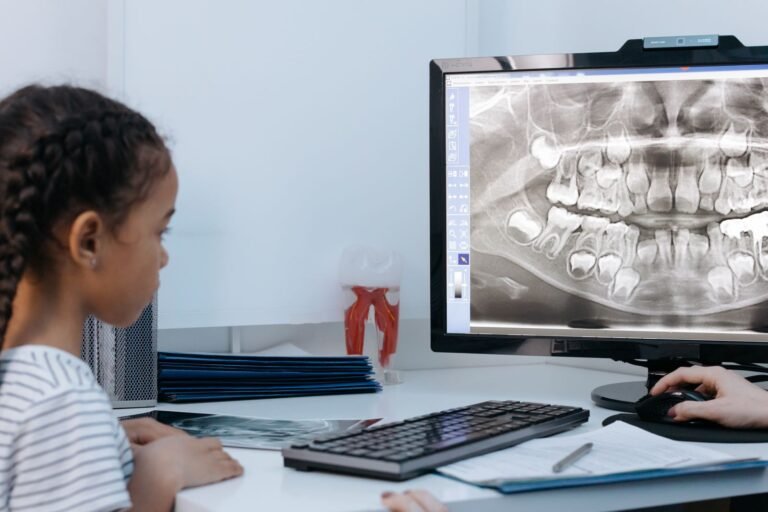
AI Sleep Apnea Screening: Can a Dental X-Ray Spot It in Kids?
AI sleep apnea screening scored 0.945 AUC reading pediatric OSA risk from a routine dental X-ray — a promising flag, not a diagnosis.
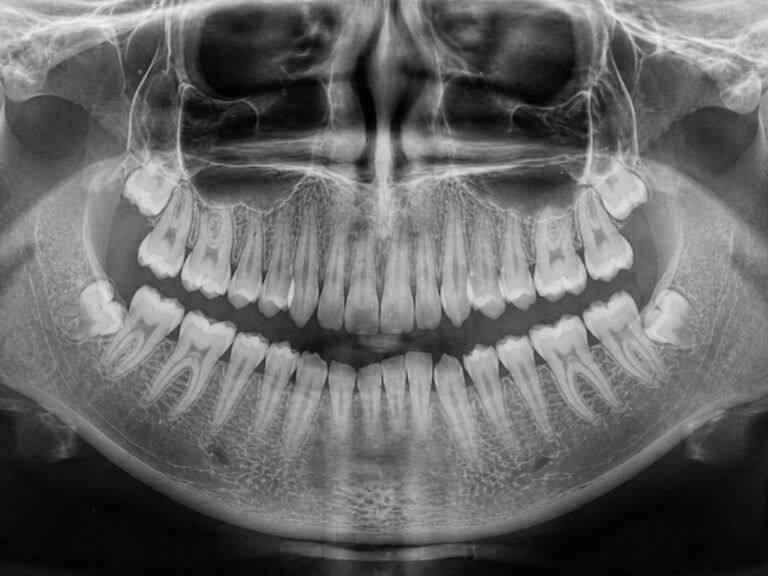
AI Jaw Lesion Detection: A Safety Net With Gaps?
AI jaw lesion detection can flag cysts and tumours on a panoramic X-ray, but the best model still missed a quarter of lesions. Here's what that…
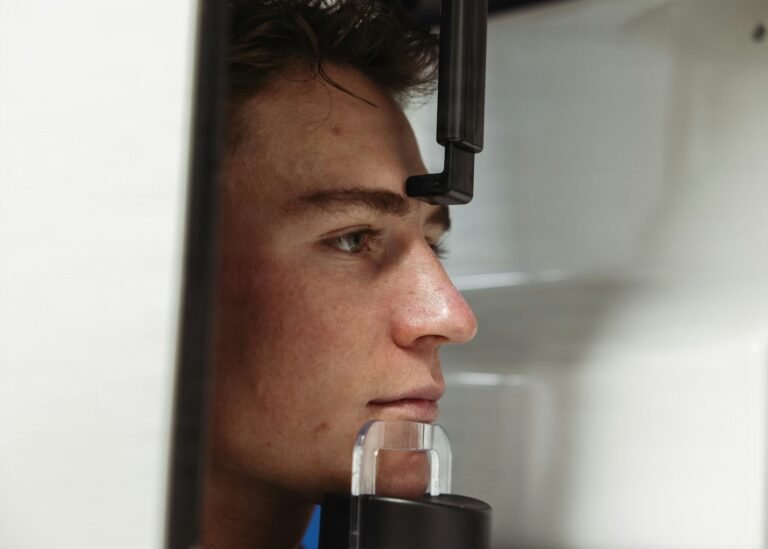
AI Maxillary Sinus Detection: 99% Accurate or Too Easy?
AI maxillary sinus detection hit 99.43% accuracy on CBCT scans — but on 874 images from one clinic, is near-perfect a breakthrough or a red flag?

AI Denture Design: Reliable, or Different Every Time?
AI denture design by four chatbots: expert raters agreed, but each bot drafted a different partial every time the same case was asked.
Explore by topic
Find the research that matters to your work.
Each topic collects our explainers in one place, newest first — a quick way to see where the evidence is strong and where it is still thin.
Our method
How a study becomes a Decadentry article.
Hype is cheap. Checking a methods section is not. Every explainer goes through the same four steps before it is published.
Find
We track new peer-reviewed papers on AI in dentistry through PubMed and the major dental journals — not press releases.
Verify
Every statistic is checked against the study’s methods and results. If a headline claim can’t be verified, it isn’t published.
Translate
We explain what was tested, on whom and how well — in plain language, with a custom figure for the key result.
Weigh
Each article sets the promise against the limits: validation, bias, cost, accountability and who gets access.

Who writes Decadentry
Written by a dentist who reads the methods section.
Decadentry is led by Hossein Boustani Hezarani, a dentist trained at Azerbaijan Medical University who researches how artificial intelligence is changing healthcare. He started Decadentry to close the gap between what AI papers report and what clinicians and patients actually need to know.
- Doctor of Dental Surgery (DDS), Azerbaijan Medical University
- Co-author of PubMed-indexed reviews on artificial intelligence in medicine
- Contributing author to six books on AI in healthcare (2023–2026)
- Builder of open-source dental tools — DentRx, OraCalm and OdontoAge
What is Decadentry?
Decadentry is an independent publication that explains new peer-reviewed research on artificial intelligence in dentistry in plain language. Each article focuses on one study: what it tested, what it found, how strong the evidence is and what it means for patients and clinicians.
Who is it for?
Dentists, dental students, researchers and patients who want to understand AI in dentistry without the hype. Articles open with a 30-second summary, show the key numbers and end with separate takeaways for patients and clinicians.
How do you choose and check the studies?
We focus on recent peer-reviewed papers on AI in dental diagnostics, imaging, treatment planning, devices and education. Statistics are checked against the paper itself, and every article ends with the study’s DOI and author credit. Preprints are clearly labelled as not yet peer-reviewed.
Can AI replace my dentist?
Not on current evidence. Most dental AI tools are tested as assistants — flagging possible decay, bone loss or anatomy on images — and many have not yet been validated outside the clinic where they were developed. The research we cover consistently points to AI supporting clinical judgement, not replacing it.
Is Decadentry medical advice?
No. Our articles explain published research for educational purposes. They are not a substitute for a diagnosis or treatment plan from a qualified dental professional. See our medical disclaimer.
How often do you publish?
New explainers are published several times a week. Join the Decadentry Brief below to receive each one by email.