Tag: AI diagnostics
-
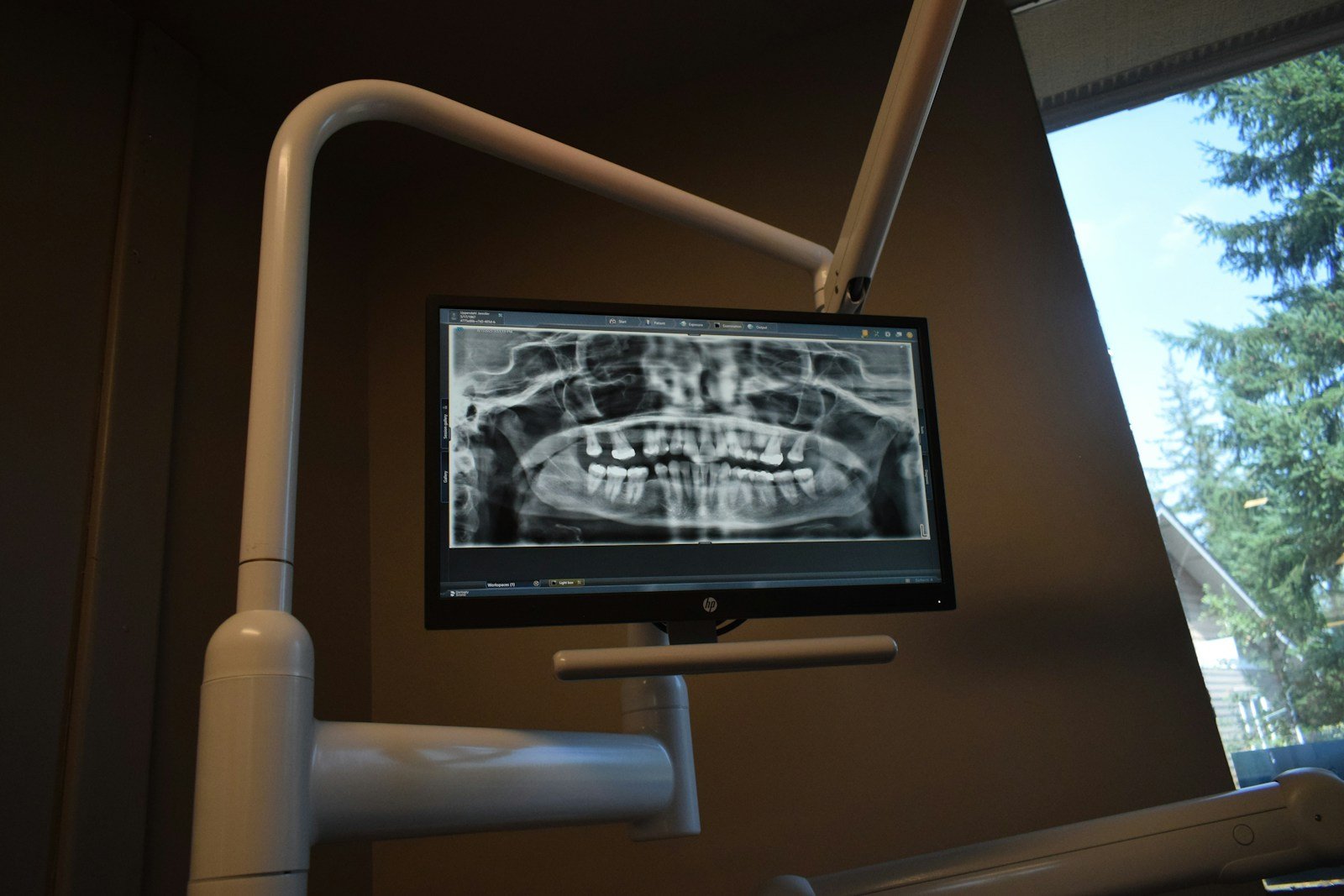
AI Dental X-Ray Enhancement: Real Detail or Illusion?
AI dental X-ray enhancement sharpened blurry periapical films and doubled an AI’s boundary precision — but no dentist has tested it on real patients yet.
Written by
-
AI Gingivitis Detection: Can an App Read Your Gums?
AI gingivitis detection promises at-home gum checks, but a Zurich study found the app barely beat chance against the clinical gold standard.
Written by
-
AI for TMJ Disorders: Diagnosis or Educated Guess?
AI for TMJ disorders scored 79% sensitivity and 87% specificity for jaw-joint osteoarthritis, but only 3 of 174 studies had comparable data.
Written by
-
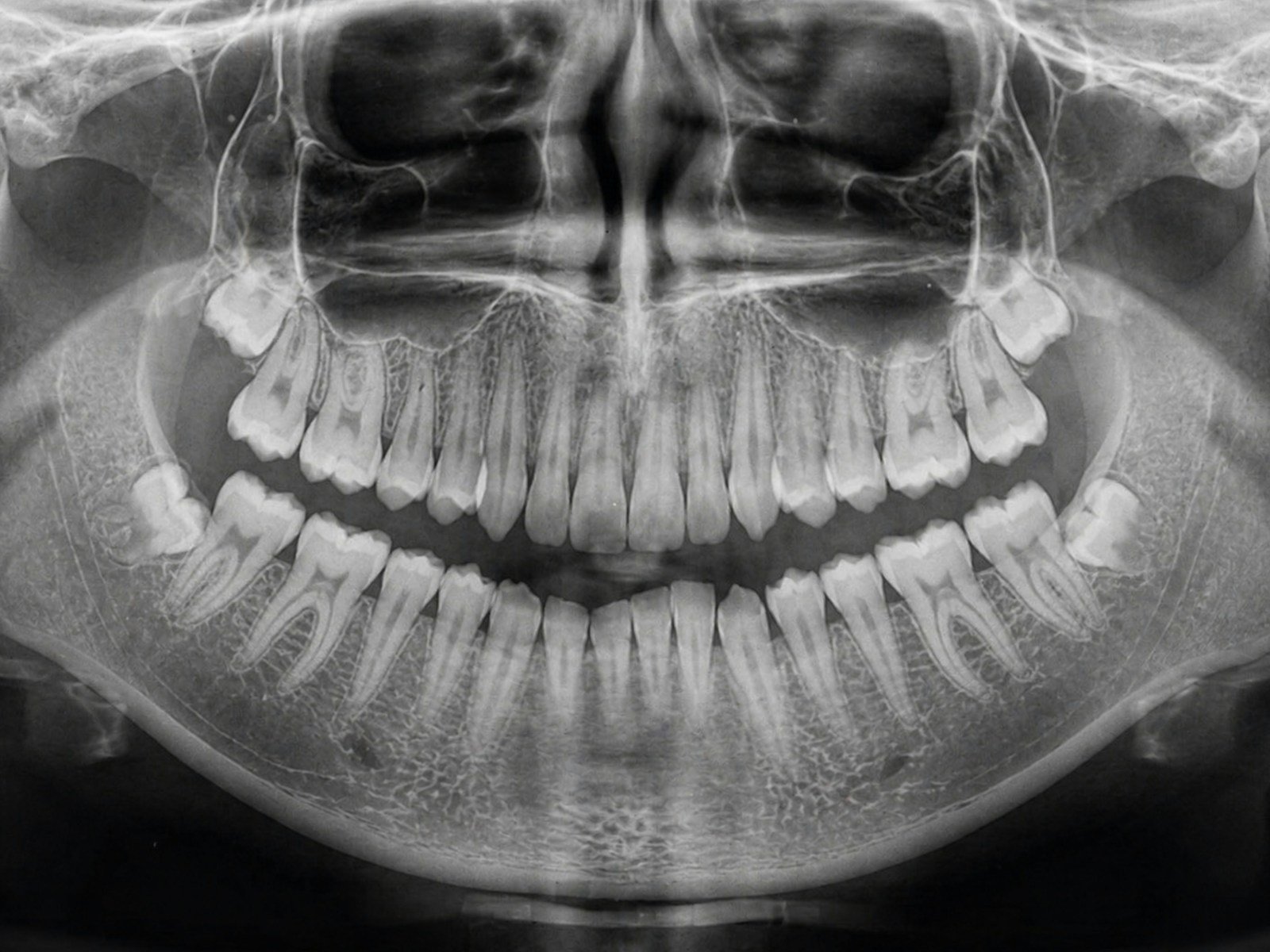
AI Dental Age Estimation: Can It Tell If You’re 18?
AI dental age estimation found wisdom teeth with 94.5% accuracy but confirmed only 24% of true adults at the 18-year legal line. Here’s the catch.
Written by
-
Is AI in Dentistry Cost-Effective, or Just Costly?
AI in dentistry cost-effectiveness rests on just 4 studies—all German, all cavities. Models say AI saves money; a randomized trial found no difference.
Written by
-
AI Pulpotomy: Can a Machine Save a Tooth’s Nerve?
AI pulpotomy: a deep-learning tool judged exposed pulp as well as endodontists (95.7%) and beat novices — but on just 21 external test images.
Written by
-
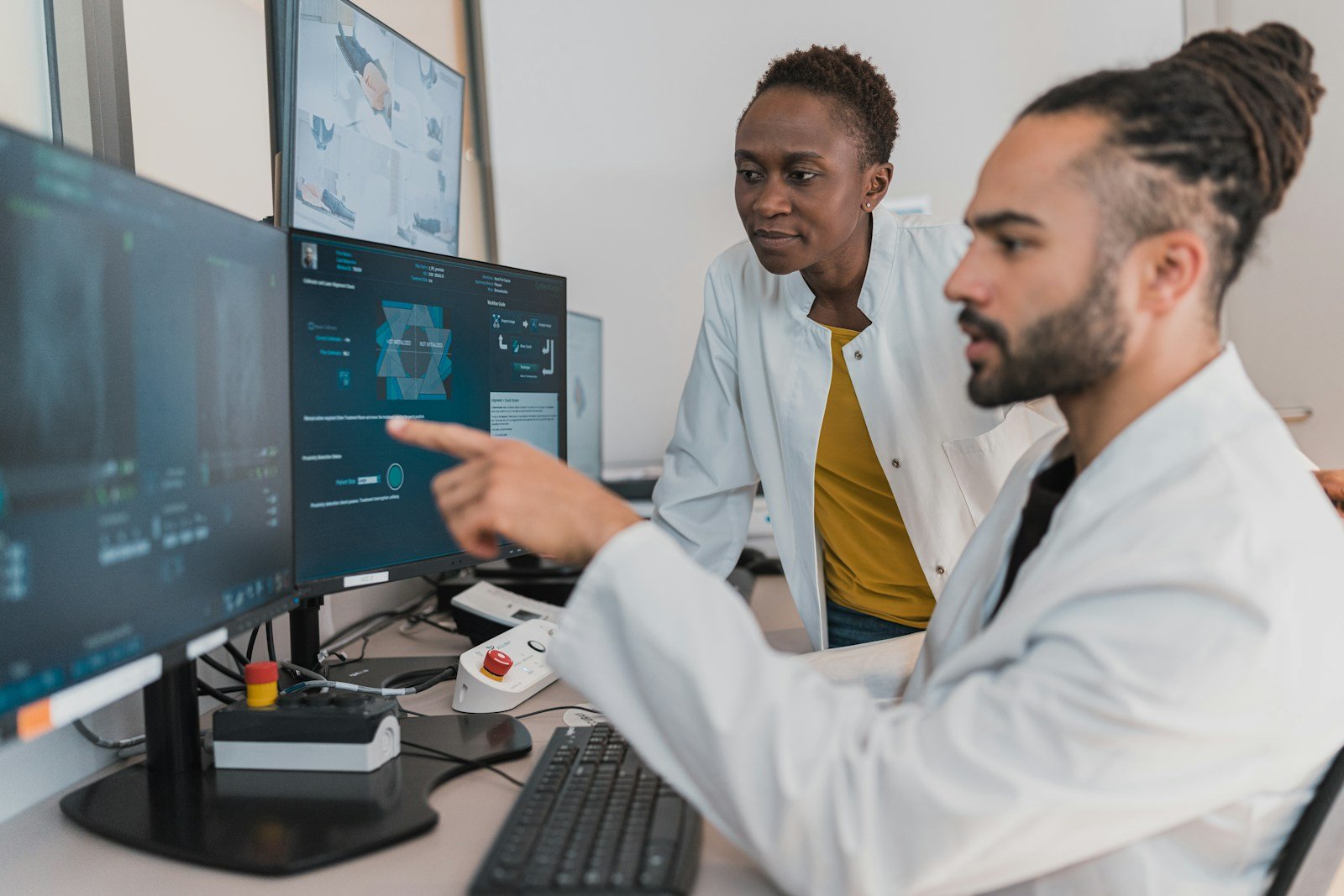
AI Wisdom Tooth Surgery: Can It Spot the Nerve in Time?
AI wisdom tooth surgery tools now grade nerve-injury risk from X-rays at ~0.95 accuracy — but a new study shows they still can’t replace the CBCT scan.
Written by
-
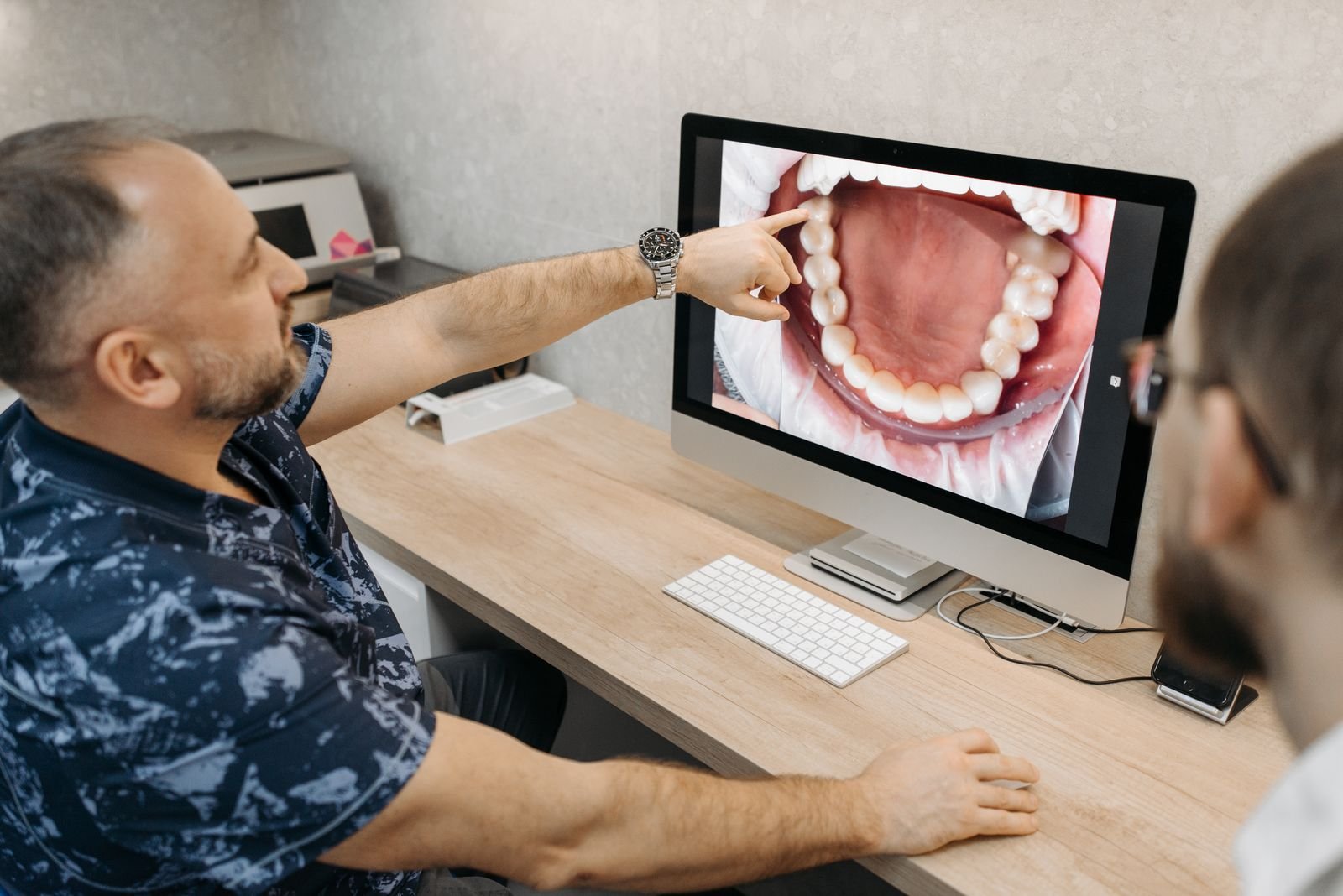
AI Osteoporosis Screening: Can a Dental X-Ray Catch It First?
AI osteoporosis screening from dental X-rays hit 88% sensitivity across 24 studies — but inconsistent results make it an early flag, not a diagnosis.
Written by
-
ChatGPT vs. Radiologist: Can AI Read a Dental Radiograph?
AI dental radiograph reading by ChatGPT, Grok and MANUS matched radiologists on textbook cases — 92.5% vs 96.7%. Impressive, but here’s the catch.
Written by
-
Can AI Cephalometric Landmark Detection Match a Specialist?
AI cephalometric landmark detection matched senior specialists across 1,190 scans, placing skull points to ~1.2 mm. Impressive — but is it clinic-ready?
Written by