
Research library
AI in dentistry
-
 Diagnostics & Imaging
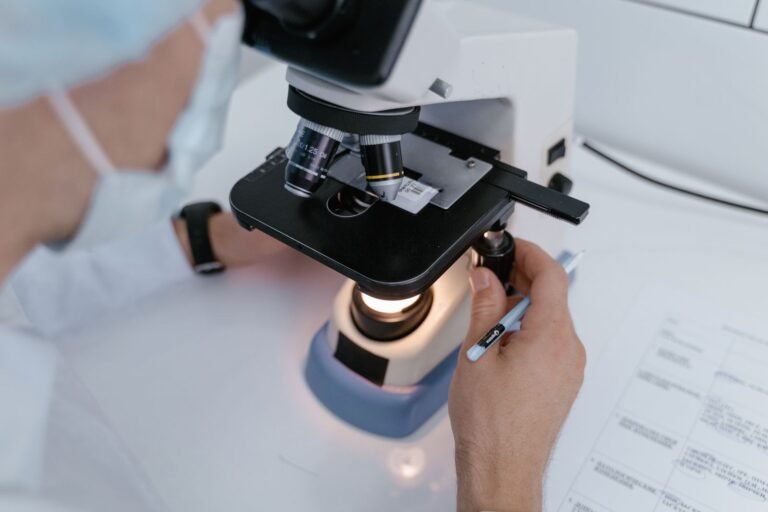
AI Caries Detection: High Scores, Shaky Evidence?
AI caries detection scores high in lab studies, but an umbrella review of 17 systematic reviews finds the evidence too shaky for stand-alone use…
-
 Diagnostics & Imaging
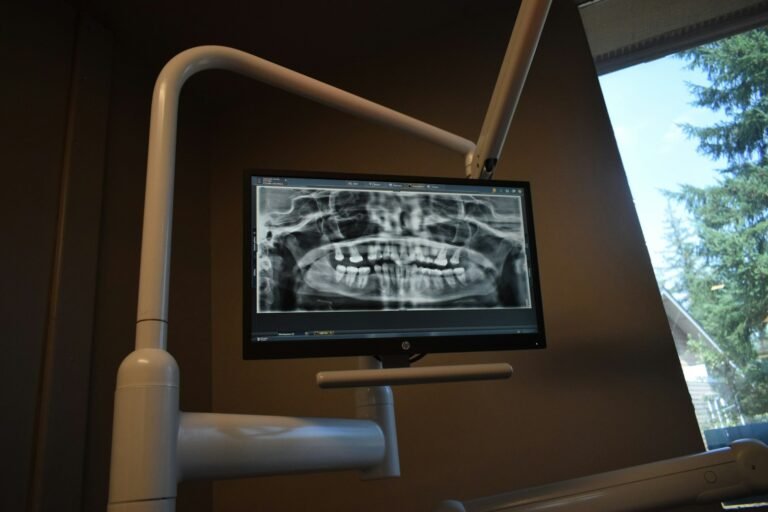
AI Dental Trauma Detection: Sharp or Blind?
AI dental trauma detection nailed crown-root fractures (90%) but missed most alveolar fractures (27%) in a new study. The promise and the blind spots.
-
 Ethics, Education & Patient Care
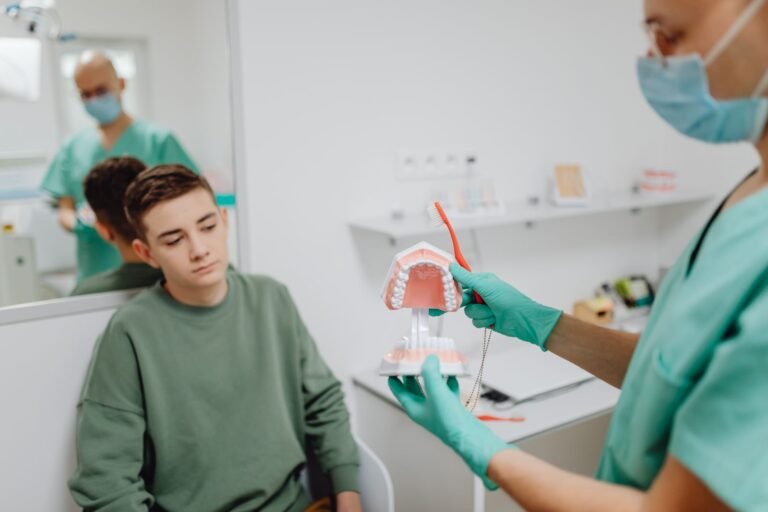
AI in Dental Education: Learning Tool or Crutch?
AI in dental education is now near-universal — 454 students, 5 countries, 96% on ChatGPT — yet only 1 in 5 always check what…
-
 Diagnostics & Imaging
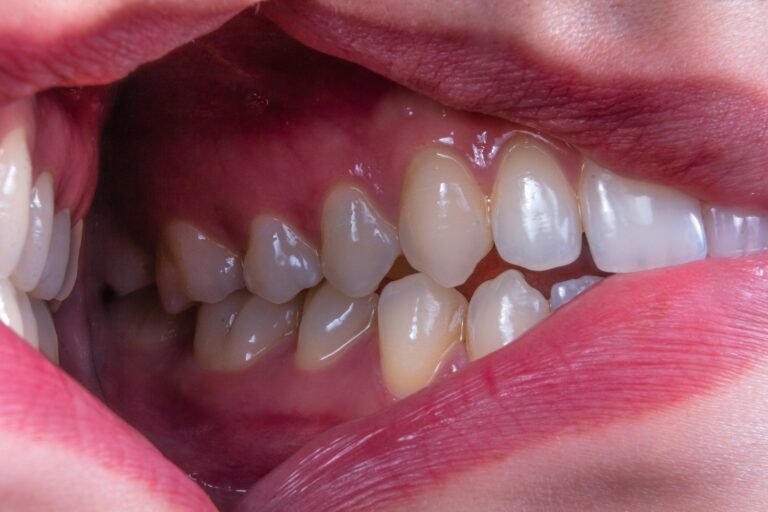
AI Oral Precancer Detection: Smarter Than a Specialist?
AI oral precancer detection matched specialists and lifted junior dentists to expert level in one study—but a photo still can’t replace a biopsy.
-
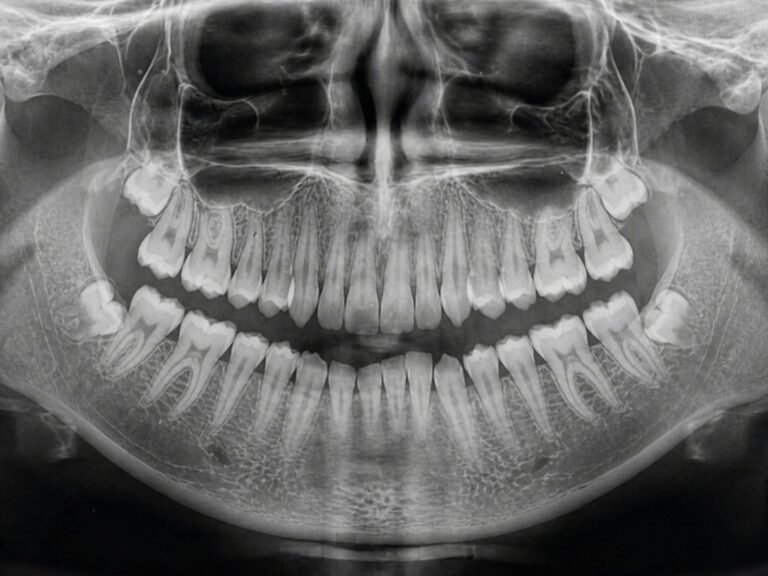 Diagnostics & Imaging
Carotid Calcification: Can a Dental X-Ray Flag Stroke Risk?
Carotid calcification on a dental X-ray can signal stroke risk. New AI flags it at 95% sensitivity — but mislabels 3 in 10 healthy…
-
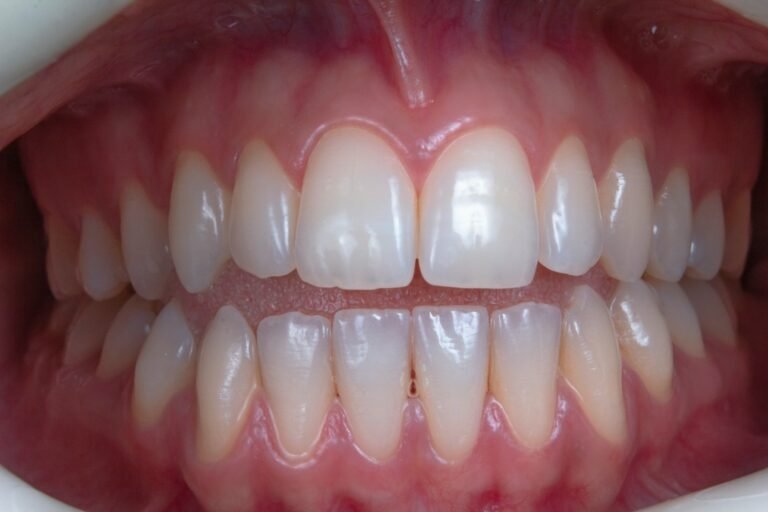 Endodontics & Restorative
AI Dental Shade Matching: Can a Photo Pick Your Tooth Color?
AI dental shade matching matched expert consensus 76% of the time from routine photos — strong as a shortlist, but it still needs a…
-
 Periodontology
AI Gum Disease Prediction: Forecast or Shaky Guess?
AI gum disease prediction tools have multiplied for 46 years, yet a 2026 review rated all but one of 20 models high risk of…
-
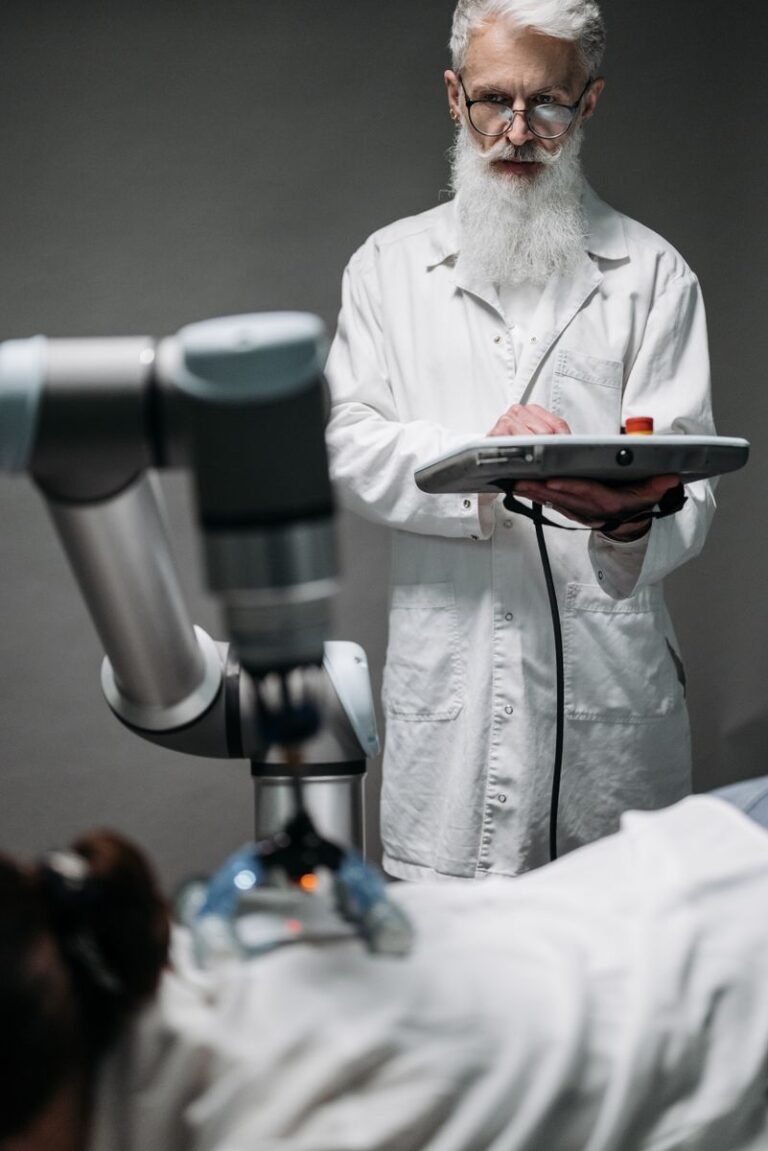 Implants & Oral Surgery
Autonomous Dental Implant Robot: Precision or Peril?
An autonomous dental implant robot placed zygomatic implants within 0.87 mm — but in resin models, and 1 in 5 sites cracked. Precision or…
-
 Implants & Oral Surgery
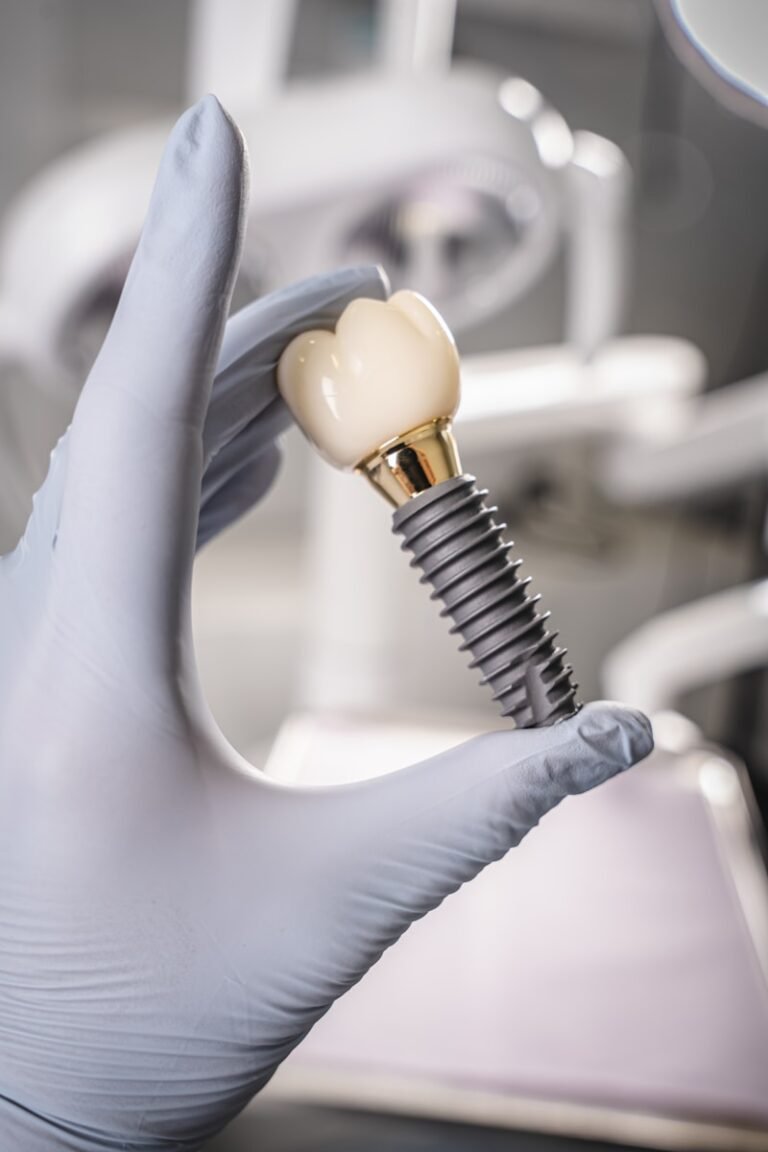
AI Implant Planning: A Surgeon’s Blueprint or a Rough Draft?
AI implant planning from CBCT matched specialists within ~1.7 mm — but picked implant size right only 65–75% of the time. Promise and peril,…
-
 Orthodontics
AI Orthodontic Simulation: Real Preview or a Guess?
AI orthodontic simulation renders a photorealistic ‘after’ face most people can’t spot — but it draws the plan, it can’t predict your real result.